


6 min read

A thick green lawn does not happen by accident. It takes the right mix of lawn maintenance, watering, mowing, fertilization and weed control, soil care, and seasonal treatments. When one part of that routine is missed, your lawn can start to show signs of stress.
So, how do you know when it is time to bring in a professional lawn care service?
If your grass is thinning, weeds keep coming back, bare patches are spreading, or your lawn never seems to green up the way it should, it may be time for expert support. A professional can assess what your lawn needs and recommend lawn treatment plans that help improve turf health, root growth, density, and overall appearance.
Here are 12 signs your lawn could benefit from professional care.
1. Your Lawn Looks Thin, Patchy, or Weak
A healthy lawn should look dense, even, and full. If your grass looks thin or tired, it may be struggling with poor soil, compacted ground, drought stress, pests, disease, or a lack of nutrients.
Thin turf also gives weeds more room to move in. Professional lawn care can help identify the cause and recommend treatments such as fertilization, aeration and overseeding, or targeted repair.
2. Weeds Keep Coming Back
A few weeds are common, but recurring weed problems are a sign that your lawn may not be strong enough to naturally defend itself.
Broadleaf weeds like dandelions, clover, thistle, and plantain can spread quickly when turf is thin or stressed. Grassy weeds can also be difficult to manage because they often blend into the lawn while competing with desirable grass.
A professional lawn care service can recommend a lawn weed control strategy that targets visible weeds while also improving the conditions that allowed them to appear in the first place.
3. Your Grass Is Not Getting Greener
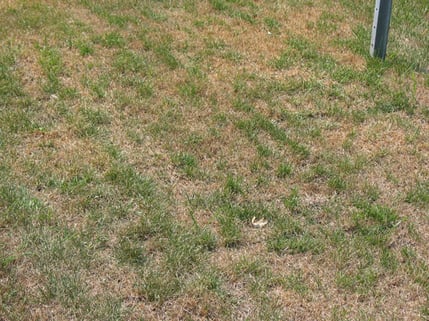
If you water regularly but your lawn still looks pale, dull, or uneven in colour, it may need a better feeding program.
Grass requires key nutrients to grow thick, green, and resilient. Fertilization helps support blade growth, root development, colour, and stress tolerance. However, applying the wrong product, using too much, or spreading it unevenly can lead to poor results or even lawn damage.
Professional fertilization and weed control programs are designed to feed your lawn at the right time and in the right amount.
4. You Have Bare Spots That Will Not Fill In
Bare spots can happen for many reasons, including pet damage, winter injury, insect activity, mower scalping, heavy foot traffic, poor soil, or drought stress.
Small patches may need spot seeding, while larger weak areas may require overseeding, slit seeding, topdressing, or other repair options. If bare areas keep returning, a lawn care professional can look beyond the surface and help determine what is preventing healthy grass from establishing.
5. Your Soil Feels Hard or Compacted
Compacted soil makes it harder for air, water, and nutrients to reach the root zone. This can lead to shallow roots, weak turf, poor drainage, and reduced fertilizer performance.
One of the most effective ways to relieve compaction is core aeration. This process removes small plugs of soil from the lawn, helping open pathways for air, moisture, and nutrients. When paired with overseeding, aeration can also improve seed-to-soil contact and support thicker growth.
If your lawn feels hard underfoot or water runs off instead of soaking in, aeration and overseeding may be a smart next step.
6. Water Pools, Runs Off, or Does Not Absorb Properly
Watering problems are not always caused by how often you water. Soil type, compaction, slope, shade, sun exposure, grass species, and weather all affect how your lawn uses moisture.
If water sits on top of the soil, drains too quickly, or creates dry patches, your lawn may need professional assessment. A lawn care service can help determine whether the issue is watering technique, soil structure, compaction, or turf stress.
7. Your Lawn Turns Brown During Heat or Dry Weather
Grass can go dormant during hot, dry periods as a natural survival response. In many cases, the lawn may recover when conditions improve. However, brown areas can also be caused by insects, disease, pet damage, poor mowing, or lack of water.
Because different problems can look similar from a distance, professional diagnosis is helpful. A lawn care expert can determine whether the lawn is temporarily dormant or whether repairs and treatments are needed.
8. You See Signs of Insect Damage
Chinch bugs, white grubs, sod webworms, cutworms, leather jackets, and other turf insects can damage lawns when populations become high.
Some insects feed on grass blades, while others feed on roots. In some cases, damage is made worse by animals digging for grubs in the soil. If sections of turf turn brown, lift easily, wilt, or appear torn up by wildlife, insects may be part of the problem.
Professional lawn treatment plans can help monitor pest pressure and recommend the right approach before damage spreads.
9. You Notice Disease-Like Patches or Strange Patterns
Lawn diseases can show up as circular patches, discoloured grass, spots on blades, powdery growth, reddish strands, or areas that look matted after wet or cool conditions.
Disease activity is often linked to weather, moisture, grass type, and lawn stress. A professional can help identify whether the issue is disease, drought, insects, mowing damage, or something else. Improving mowing, watering, fertility, and soil conditions can often reduce the likelihood of recurring disease problems.
10. Mowing Is Leaving the Lawn Looking Rough
Mowing and edging have a major impact on how your lawn looks and performs. If your grass looks shredded, brown at the tips, scalped, clumpy, or uneven after mowing, your mowing routine may be stressing the lawn.
Common issues include mowing too short, cutting off too much at once, mowing wet grass, using dull blades, or following the same mowing pattern every time.
A lawn care service can help you understand how maintenance practices affect turf health and may recommend improvements to support a thicker, healthier lawn.
11. Your Lawn Needs More Than One Treatment
Some lawns only need one service to correct a specific issue. Others need a full seasonal plan.
If your lawn has weeds, thin patches, poor colour, compacted soil, and insect concerns all at once, a single treatment may not be enough. Professional lawn treatment plans are designed to work over time, combining services such as fertilization, weed control, aeration, overseeding, soil improvement, and pest monitoring.
This is especially helpful if your goal is a consistently thick green lawn rather than a short-term cosmetic fix.
12. You Do Not Have the Time, Tools, or Confidence to Manage It Yourself
Lawn care takes consistency. Fertilizer needs to be applied evenly. Weed control needs proper timing. Aeration requires specialized equipment. Overseeding needs the right seed, soil contact, watering, and aftercare. Mowing and edging need to be done regularly and correctly.
If you are tired of guessing, buying products that do not work, or spending weekends troubleshooting your lawn, hiring a professional lawn care service can save time and improve results.
Quick Checklist: Is It Time to Hire a Lawn Care Service?
You may benefit from professional help if:
- Your lawn is thin, patchy, or slow to recover.
- Weeds return every season.
- Fertilizer does not seem to improve colour or growth.
- Bare spots keep spreading.
- Soil feels hard, compacted, or dry.
- Water pools, runs off, or creates uneven growth.
- Brown patches appear during summer stress.
- Insects or animals are damaging the turf.
- You see unusual spots, rings, or disease-like patches.
- Mowing leaves the lawn scalped, torn, or clumpy.
- You need aeration and overseeding.
- You want a customized lawn treatment plan instead of guesswork.
What Does a Professional Lawn Care Service Include?
A lawn care service may include fertilization, weed control, aeration, overseeding, soil care, insect monitoring, lawn repair recommendations, and seasonal maintenance guidance. The right program depends on your lawn’s condition, grass type, soil quality, and overall goals.
For many homeowners, the biggest benefit is having a plan. Instead of reacting to problems after they appear, a professional program supports the lawn throughout the growing season.
The Bottom Line
If your lawn is not as thick, green, or healthy as you want it to be, the issue may be more than surface-level. Weeds, weak roots, compacted soil, poor mowing practices, watering problems, insects, and nutrient deficiencies can all work against your lawn.
A professional lawn care service can help identify what is going on and create a plan to improve your lawn over time. With the right combination of lawn maintenance, fertilization and weed control, mowing and edging guidance, aeration and overseeding, and seasonal treatments, your lawn can become healthier, stronger, and greener.
At Nutri-Lawn, our lawn care service is designed to support healthier turf from the roots up, helping homeowners build a thicker, greener lawn with professional care that fits their lawn’s needs.
Related Posts
Why Is My Lawn Yellow? What Can You Do?
If you've been looking out your window and wondering why your once-green lawn is now tinged with...
Top Lawn Care Tips For Your Vancouver Property
Vancouver lawns face a tough battle to stay weed-free and healthy. Between the coniferous trees,...
5 Reasons Why You Need Spring Lawn Care Services
Springtime is the time that most of us put aside to get the house cleaned up and ready to enjoy...