


3 min read

Weeds don’t take over healthy lawns by accident. They move into thin, stressed, or patchy turf where there’s space to grow.
The most effective approach to spring weed control isn’t reacting after weeds appear—it’s preventing them in the first place. With the right combination of fertilization, overseeding, routine inspections, and targeted weed control, you can build a thicker lawn that naturally resists weeds all season long.
Why Weeds Take Over Weak Lawns
Weeds thrive where your lawn struggles. Thin grass, compacted soil, poor nutrition, and inconsistent maintenance all create the perfect conditions for weeds to establish.
Common lawn weeds in Canada include:
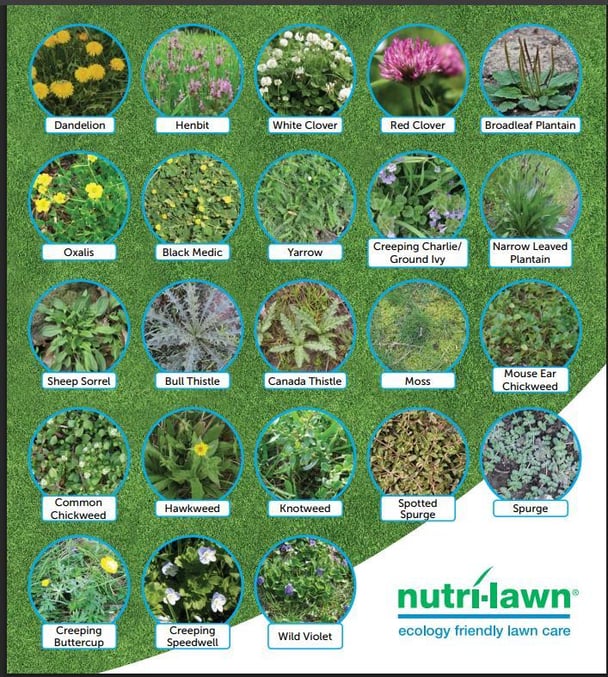
Each spreads differently, which is why proper identification is key to effective lawn weed control. No matter the type, weeds all take advantage of the same thing: underperforming turf.
Step 1: Build a Thick Lawn That Naturally Crowds Out Weeds
The strongest defense against weeds is a dense, healthy lawn. When your grass grows thick, it crowds out weeds, leaving little room for them to establish.
Overseeding Helps Fill Bare and Thin Areas
Spring is an ideal time to strengthen your lawn through overseeding. Adding new grass seed helps:
- Fill in patchy areas
- Improve turf density
- Reduce open space where weeds can grow
Consistent overseeding builds a lawn that becomes more resistant to weeds over time.
Fertilization Helps Grass Compete Against Weeds
A properly fertilized lawn grows stronger, thicker, and more resilient. Healthy grass:
- Competes more effectively for nutrients and water
- Develops deeper root systems
- Recovers faster from stress
Without proper nutrition, your lawn becomes vulnerable—and weeds take advantage.
Step 2: Start Weed Control Early in the Season
Timing plays a major role in effective weed prevention.
Weeds are much easier to manage before they become visible problems. Once they mature and spread, they’re harder—and more time-consuming—to eliminate.
Starting early helps:
- Reduce weed establishment before they become noticeable
- Limit rapid spread during peak growing conditions
- Maintain control instead of reacting to infestations
A proactive spring lawn care plan sets the foundation for the entire season.
Step 3: Use Targeted Weed Control for Different Weed Types
Even with strong prevention, some weeds will still appear. That’s where targeted treatments make the difference.
Different weeds require different strategies. Broadleaf weeds, grassy weeds, and creeping weeds all behave differently, so effective lawn weed control depends on proper identification and treatment.
Targeted weed control:
- Focuses on the specific weeds affecting your lawn
- Minimizes impact on healthy grass
- Delivers more effective, longer-lasting results
At Nutri-Lawn, trained technicians assess your lawn conditions, identify weed types, and apply the right treatment approach based on your specific needs.
Step 4: Keep Weeds Away with Consistent Lawn Care
Weed prevention isn’t a one-time treatment—it’s an ongoing process.
A consistent lawn care program helps keep your lawn strong and resilient throughout the season. This includes:
- Scheduled fertilization
- Routine lawn inspections
- Seasonal treatments
- Aeration and overseeding as needed
Weed pressure can vary depending on lawn density, soil conditions, mowing height, watering habits, and local weed species. Staying consistent helps prevent small issues from turning into major problems.
Get a Spring Weed Control Plan for Your Lawn
Want fewer weeds this season?
Get a customized lawn care plan from your local Nutri-Lawn team. We’ll assess your lawn, identify the weed pressure, and recommend the right combination of fertilization, overseeding, and targeted weed control.

Related Posts
Your Best Defense Against Weed Infestations
The best natural defense against weeds is maintaining a thick and healthy lawn that is capable of...
Why Do Weeds And Moss Grow In My Lawn?
The last we spoke, our topic was Calcitic Lime and how it can help to balance the pH in your soil...
6 Common Spring Weeds & How To Deal With Them
Just when you thought life couldn't be better with all the warmer weather, out come the Spring...