


10 min read
Toronto Lawn Care Services in 2026: A Complete Guide
By: Kai Kentucky on Jul 28, 2026, 11:58:59 AM
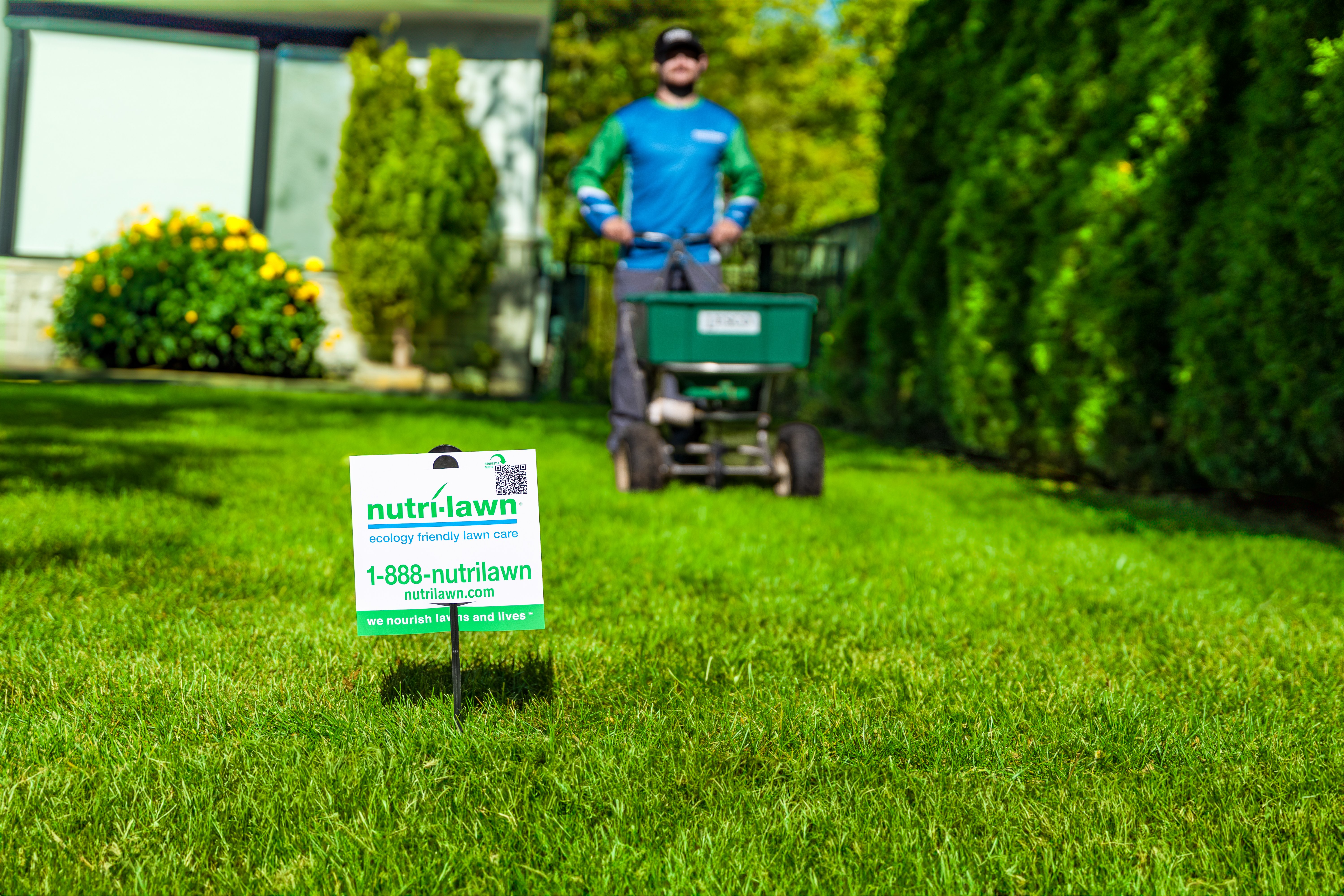
If you own a home in Toronto, keeping your lawn healthy through the city's unpredictable weather patterns can feel like a full-time job. From harsh winters to humid summers, your turf faces unique challenges that require both knowledge and consistent care. Nutri-Lawn helps Toronto homeowners achieve thick, green grass through ecology-friendly solutions tailored to local growing conditions.
This guide walks you through everything you need to know about lawn care services in Toronto. You will learn about seasonal maintenance schedules, treatment options, hiring criteria for professional services, and eco-friendly approaches that protect your family and the environment.
Key Takeaways: Toronto Lawn Care Services in 2026
- Toronto lawns require four distinct seasonal care phases, each with specific treatments timed to local climate patterns.
- Professional lawn care services should hold provincial licensing and offer customized treatment plans for your soil type.
- Ecology-friendly treatments like Fiesta weed control target broadleaf weeds without harming your lawn or the environment.
- Core aeration in spring and fall reduces soil compaction, a common problem in Toronto's clay-heavy soils.
- Nutri-Lawn delivers customized, ecology-friendly lawn care programs with a 100% customer satisfaction guarantee.
Why Toronto Lawns Need Specialized Care
Toronto sits in a humid continental climate zone with cold winters and warm, humid summers. Your lawn experiences freeze-thaw cycles from November through March, followed by rapid spring growth. These conditions create specific challenges that generic lawn care approaches cannot address effectively.
The Greater Toronto Area also features predominantly clay-based soils. Clay soil compacts easily under foot traffic and retains moisture, which can suffocate grass roots. Many neighbourhoods built on former farmland have thin topsoil layers over dense clay, making proper soil management essential.
Additionally, Toronto's urban environment brings unique stressors. Road salt runoff, air pollution, and limited growing space all affect turf health. A professional lawn care service familiar with these local conditions can diagnose problems faster and recommend treatments that actually work.
What Services Do Toronto Lawn Care Companies Offer?
Professional lawn care in Toronto typically includes several core services. Understanding what each service does helps you make informed decisions about your lawn's needs.
Fertilization Programs
Quality fertilization programs deliver nutrients in multiple applications throughout the growing season. Look for services that use slow-release fertilizer technologies with customized blends of nitrogen, phosphorus, and potassium. Nutri-Lawn applies seasonally adjusted fertilizer formulations ensuring your grass receives consistent nourishment throughout the growing season.
Weed Control Treatments
Effective weed control goes beyond spot-spraying visible weeds. Integrated programs address weeds at different life stages while protecting desirable turf. Many Toronto lawn care services now offer selective broadleaf weed control options that target dandelions, clover, and other common invaders without damaging your grass.
Fiesta weed control represents an ecology-friendly option that uses iron toxicity to eliminate broadleaf weeds. This approach leaves your lawn safe for children and pets to enjoy immediately after application.
Core Aeration
Core aeration removes small plugs of soil from your lawn, reducing compaction and allowing water, air, and nutrients to reach grass roots. This service proves especially valuable for Toronto properties with heavy clay soil or high foot traffic areas.
The ideal timing for aeration is during active growth periods in spring and fall. Heavily compacted lawns may benefit from aeration twice per year. After aeration, the small soil plugs left on the surface decompose within a few weeks, returning nutrients to your turf.
Insect and Grub Control
Several insects cause significant damage to Toronto lawns. White grubs feed on grass roots, causing turf to lift away like carpet. Chinch bugs suck plant juices from grass stems during hot summer months. European chafer larvae create brown patches that attract skunks and raccoons searching for food.
Modern biological control options target these pests without broad pesticide applications. Products like Grub GONE!, approved by the Pest Management Regulatory Agency, use naturally occurring organisms to control grub populations while keeping your lawn safe for outdoor activities.
Overseeding and Lawn Repair
Overseeding thickens thin lawns and repairs damage from insects, diseases, or drought. This process involves spreading grass seed over existing turf, typically after aeration when soil contact is optimal. Fall overseeding from mid-August to mid-September gives new grass time to establish before winter dormancy.
How Does Seasonal Lawn Care Work in Toronto?
Toronto lawns follow a predictable annual cycle. Timing your maintenance activities correctly maximizes their effectiveness and helps your grass thrive year-round.
Spring Lawn Care: April Through May
Spring brings your lawn out of dormancy. Begin with a thorough raking to remove dead grass and debris while encouraging air circulation. This helps prevent fungal diseases that thrive in matted, damp conditions.
Schedule your first fertilizer application once active growth begins, typically in late April. If grub damage occurred over winter, overseed affected areas to restore turf density. Spring aeration opens compacted soil after freeze-thaw cycles and prepares your lawn for the growing season ahead.
Hold off on weed control until weeds emerge and begin active growth. Treating weeds too early wastes product and reduces effectiveness. Your lawn care professional can time applications for maximum impact based on current weather conditions.
Summer Lawn Care: June Through August
Summer presents the greatest challenge for Toronto lawns. High temperatures combined with humidity create stress conditions that weaken turf and invite pest problems.
Water deeply and infrequently rather than with shallow daily irrigation. The City of Toronto recommends watering your lawn to a depth of 10-20 cm when it shows signs of wilting. Early morning watering reduces evaporation and disease risk.
Raise your mowing height during summer. Taller grass shades the soil, retains moisture, and develops deeper roots. Never remove more than one-third of the grass blade in a single mowing. If your lawn turns brown during extended dry periods, it enters dormancy and will recover once regular rainfall returns.
Monitor for chinch bug activity from mid-July through mid-August. Early detection prevents small damaged areas from spreading across your entire lawn. Professional technicians know how to identify these tiny insects and recommend appropriate control measures.
Fall Lawn Care: September Through November
Fall represents the most important season for lawn improvement. Cool temperatures and consistent moisture create ideal growing conditions for grass while slowing weed growth.
Schedule aeration and overseeding in early fall. New grass plants establish strong root systems before winter dormancy. This timing also allows fertilizer applications to strengthen existing turf without triggering excessive top growth.
Continue mowing at proper heights through fall. Gradually lower the cutting height for your final mowing to prevent snow mould over winter. Remove fallen leaves regularly since thick leaf cover can smother grass and promote disease. Mulching leaves with your mower returns nutrients to the soil.
Late October fertilization with a higher potassium blend prepares your lawn for winter stress. This application promotes root storage of carbohydrates that fuel early spring green-up.
Winter Lawn Care: December Through March
Your lawn rests during Toronto's winter months, but a few precautions protect it for spring. Avoid walking on frozen grass, which damages dormant plant tissues. Minimize salt application near lawn areas since sodium damages turf and soil structure.
Stay off your lawn when covered with snow or frost. Creating paths across frozen grass leaves visible damage that persists into the growing season. If road salt accumulates along your lawn edges, flush those areas with water once temperatures rise in spring.
What Should You Look for When Hiring a Lawn Care Service?
Choosing the right lawn care company requires research. Not all providers offer the same quality of service or use equally effective methods. These criteria help you evaluate potential service providers.
Licensing and Certification
Ontario requires lawn care technicians who apply pesticides to hold provincial licensing. Ask any company you consider whether their technicians carry current certifications. Reputable services employ trained professionals who understand product safety, application methods, and environmental regulations.
Membership in industry associations like the Canadian Nursery Landscape Association indicates commitment to professional standards. These organizations require adherence to best practices and ongoing education.
Customized Treatment Plans
Avoid services that offer identical programs for every lawn. Your property has unique characteristics including soil type, sun exposure, grass species, and existing problems. Quality providers conduct thorough assessments before recommending treatments.
Nutri-Lawn includes a custom evaluation report with detailed inspection and analysis with every service visit. This approach ensures treatments address your lawn's actual needs rather than following a generic schedule.
Product Transparency
You deserve to know what products are being applied to your lawn. Ask potential services about their fertilizer formulations, weed control methods, and pest management approaches. Companies committed to ecology-friendly practices will readily explain their products and application methods.
Enquire specifically about options for families with children and pets. Many modern treatments allow safe outdoor use immediately after application, while others require waiting periods. Clear communication about product safety demonstrates respect for your concerns.
Service Guarantees
Look for companies that stand behind their work. A satisfaction guarantee indicates confidence in service quality and commitment to customer satisfaction. If problems develop between scheduled visits, responsive providers address concerns promptly without additional charges.
Local Experience
Toronto's climate and soil conditions differ significantly from other regions. Services with local expertise understand seasonal timing, common pest patterns, and grass varieties that perform well in Greater Toronto Area conditions. Ask how long a company has served Toronto specifically and what experience their technicians have with local lawns.
How Do Ecology-Friendly Lawn Treatments Work?
Many Toronto homeowners want healthy lawns without exposing their families or the environment to harsh chemicals. Ecology-friendly lawn care uses targeted approaches that minimize environmental impact while delivering effective results.
Selective Weed Control
Traditional herbicides affect broad categories of plants. Selective weed control products target specific weed types based on their biological characteristics. Fiesta weed control, for example, uses iron to eliminate broadleaf weeds through a process that does not affect grass plants.
These targeted treatments reduce the total volume of products applied to your lawn. Spot applications treat problem areas directly rather than covering your entire property with preventive chemicals.
Biological Pest Control
Biological control products use naturally occurring organisms to manage pest populations. Beneficial nematodes attack grub larvae in the soil without affecting beneficial insects, earthworms, or other organisms. These microscopic helpers integrate into your lawn's ecosystem rather than disrupting it.
Timing matters for biological controls. Nematodes require moist soil and moderate temperatures to remain effective. Your lawn care professional can schedule applications during optimal conditions for your specific pest problem.
Organic Fertilizers
Organic fertilizers release nutrients slowly as soil microorganisms break down natural materials. This gradual release matches how grass plants absorb nutrients, reducing runoff and waste. Organic options also improve soil structure over time by adding organic matter.
Many programs combine organic and conventional fertilizers to balance immediate results with long-term soil health. This blended approach gives your lawn the nutrients it needs while building healthier growing conditions season after season.
Cultural Practices
Healthy lawns resist weeds, pests, and diseases more effectively than stressed turf. Cultural practices like proper mowing height, appropriate watering, and regular aeration create conditions where grass thrives and problems diminish naturally.
Professional services incorporate cultural practice guidance into their programs. Your technician can advise on mowing schedules, irrigation timing, and other maintenance activities that complement professional treatments.
How Much Do Lawn Care Services Cost in Toronto?
Lawn care pricing varies based on property size, service frequency, and specific treatments needed. Most Toronto companies offer program packages that bundle multiple services at reduced rates compared to individual applications.
When comparing quotes, look beyond the total price. Understand exactly what services each program includes, how many visits you will receive, and whether additional treatments carry extra charges. A program that appears less expensive may not include services you need.
Consider value alongside cost. Services with satisfaction guarantees, detailed inspections, and responsive follow-up may justify higher pricing through better results and reduced frustration. The cheapest option rarely delivers the healthiest lawn.
Many providers offer seasonal payment plans that spread costs across the year. This approach makes professional lawn care more accessible while ensuring your lawn receives consistent attention throughout the growing season.
Can You Maintain Your Toronto Lawn Yourself?
Homeowners with time and interest can handle many lawn maintenance tasks independently. Mowing, watering, and basic fertilization fall within most people's capabilities with proper knowledge.
Certain services benefit from professional expertise and equipment. Core aeration requires specialized machinery that most homeowners cannot justify purchasing for annual use. Pest identification and treatment demand knowledge of local insect life cycles and appropriate control methods.
Many Toronto homeowners combine DIY maintenance with professional treatments. You might handle weekly mowing and watering while a service manages fertilization, weed control, and seasonal aeration. This approach balances cost savings with expert intervention where it matters most.
How Do You Know If Your Lawn Needs Professional Help?
Some lawn problems require professional diagnosis and treatment. Recognizing these signs helps you seek help before minor issues become major repairs.
Persistent Weeds
Weeds that return despite your control efforts may indicate underlying problems with soil health, grass density, or growing conditions. A professional assessment can identify why weeds gain foothold and recommend solutions that address root causes.
Unexplained Brown Patches
Brown areas that do not recover with watering may signal insect damage, disease, or soil problems. Different causes require different treatments. Applying the wrong product wastes money and delays effective intervention.
Thin or Patchy Turf
Lawns that thin over time despite regular care often have compaction, thatch buildup, or nutrient deficiencies. Professional analysis identifies the specific problem and recommends targeted solutions like aeration, dethatching, or soil amendments.
Wildlife Damage
Skunks, raccoons, and birds digging in your lawn typically indicate grub infestations. These animals follow the food source. Professional grub control eliminates the root cause, and lawn repair services restore damaged areas.
In Conclusion: Achieving a Healthy Toronto Lawn
Toronto homeowners face unique challenges in maintaining healthy, attractive lawns. The city's climate demands seasonal approaches timed to local conditions. Clay soils require regular attention to prevent compaction. Urban stressors add complexity that generic advice cannot address.
Professional lawn care services bring expertise, proper equipment, and proven treatment programs to these challenges. When selecting a provider, prioritize licensing, local experience, customized approaches, and commitment to ecology-friendly methods.
Your lawn represents a significant investment in your property's appearance and value. Whether you choose full-service professional care or combine DIY maintenance with expert treatments, consistent attention yields the thick, green grass that makes summer enjoyment possible. Contact your local Nutri-Lawn to schedule a consultation and develop a customized program for your Toronto property.
FAQs About Toronto Lawn Care Services
When Should Toronto Homeowners Start Spring Lawn Care?
Begin spring lawn care once your lawn dries out and you can walk on it without leaving footprints. This typically occurs in mid to late April in Toronto. Rake debris, assess winter damage, and schedule your first fertilizer application when active growth begins.
How Often Should I Water My Lawn in Toronto Summers?
Water your Toronto lawn deeply once per week during dry periods, applying about 2.5-4 cm of water. Early morning watering reduces evaporation and disease risk. Your lawn may go dormant during extended heat, which is natural and not harmful to established turf.
What Causes Brown Patches in Toronto Lawns During Summer?
Summer brown patches commonly result from chinch bug feeding, grub damage, drought stress, or fungal disease. Each cause requires different treatment. A professional assessment identifies the specific problem and recommends effective solutions.
Is Core Aeration Necessary for Toronto Lawns?
Core aeration benefits most Toronto lawns, especially those on clay soil. Nutri-Lawn recommends aeration at least once per year during spring or fall. Heavily compacted lawns or properties with high foot traffic may need aeration twice annually for optimal results.
How Can I Control Weeds Without Harming My Family or Pets?
Ecology-friendly weed control options like Fiesta selectively target broadleaf weeds without posing risks to children or pets. Nutri-Lawn offers treatments that control weeds effectively while keeping your outdoor spaces safe for family enjoyment.
What Makes Fall the Best Time for Lawn Improvement?
Fall offers cool temperatures, consistent moisture, and reduced weed competition. Grass plants focus energy on root development rather than top growth. Overseeding and fertilization in fall produce stronger, denser lawns by the following spring.
Related Posts
7 Ways to Choose a Lawn Care Company in Canada
Choosing the right lawn care services can feel overwhelming, especially when there are so many lawn...
5 August Lawn Care Tips
We are right in the middle of the dog-days of summer, but now’s the time to look ahead to fall and...
How to Estimate Your Lawn Care Costs
Taking care of a lawn, whether it's at your home or business, can be a time consuming and...